A day at Muna
A rhythm children can learn without watching the clock.
Predictable enough to feel safe, spacious enough for deep work and flexible enough to respond to the people in the room.
Morning rhythm
The day moves, but it does not hurry.
Hover, focus or tap each moment to follow the morning.
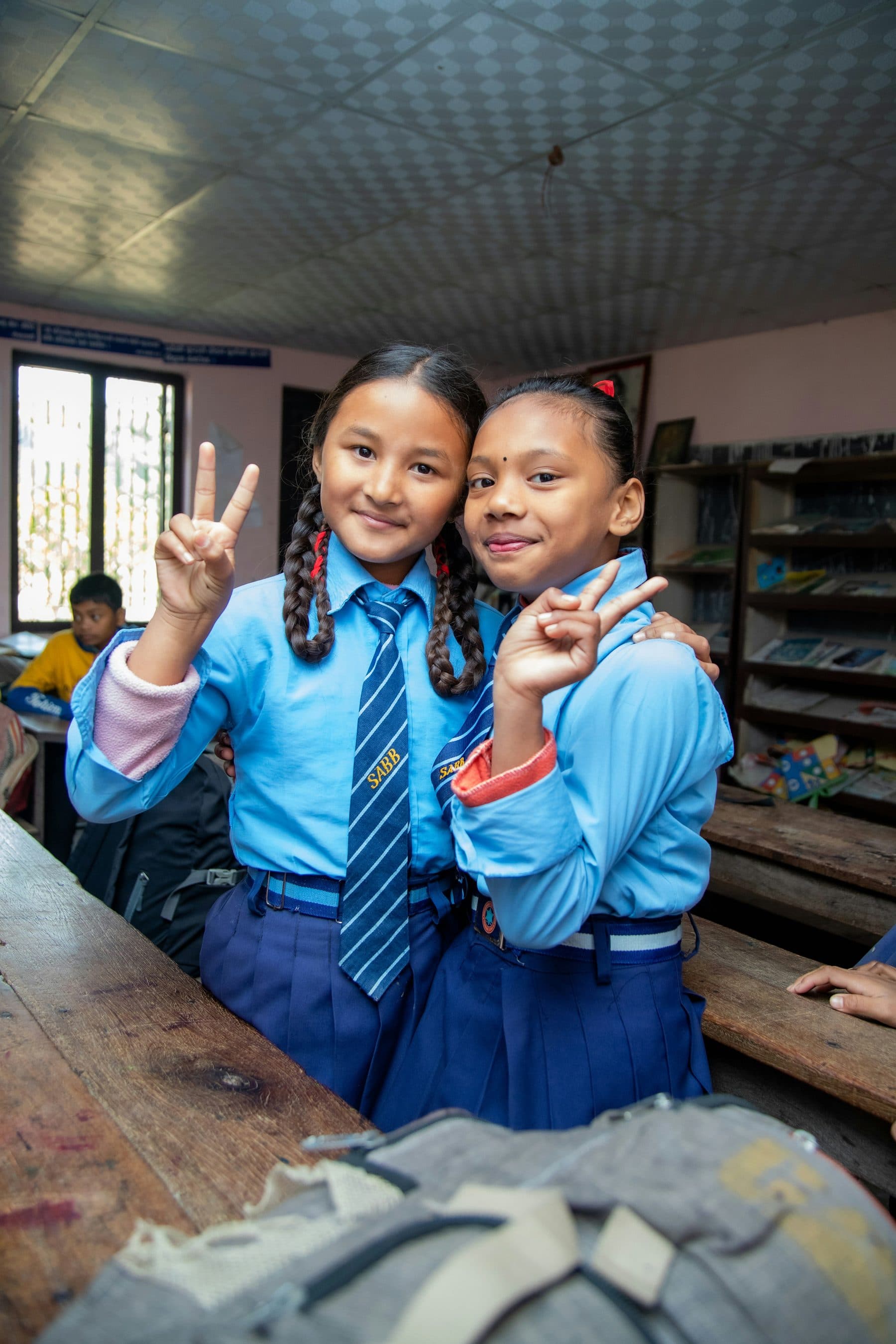
8:30 / ordinary morning
Arrive slowly
Children settle, greet familiar adults and choose a first activity.
Arrival is part of the curriculum
The first ten minutes should not feel like an airport departure gate.
Children greet familiar adults, put away their things, notice who is already working and choose a gentle first step. Families get a clear handover rather than a rushed separation.
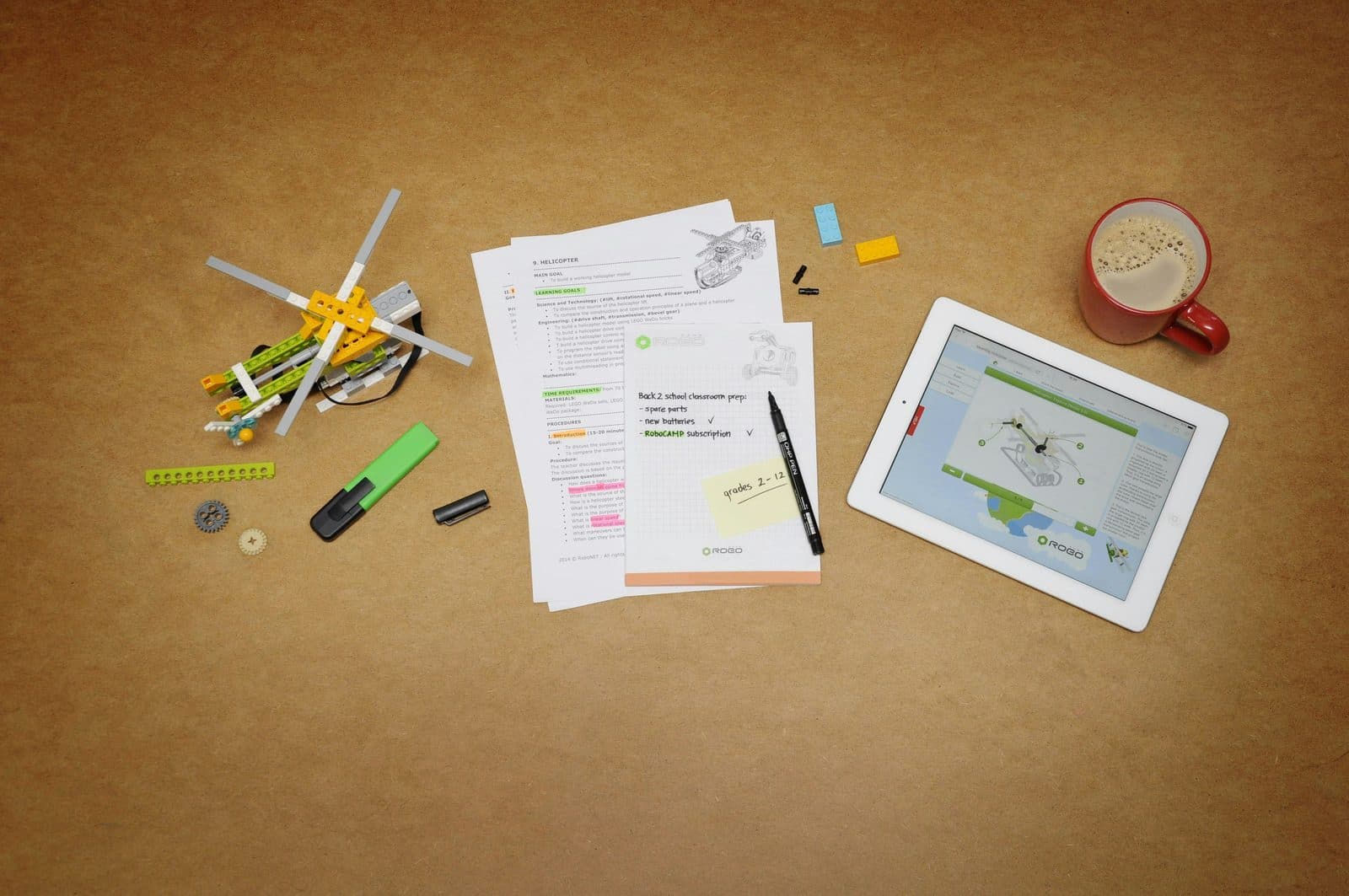
protected work cycle
Long work cycle
Enough time to get past “trying” and into concentration.
Children move between familiar work and carefully timed new presentations. The room is active, but adults avoid breaking concentration simply because a timetable says the next subject should begin.

Garden + movement
Big-body movement, weather and outdoor play change the scale of the morning.
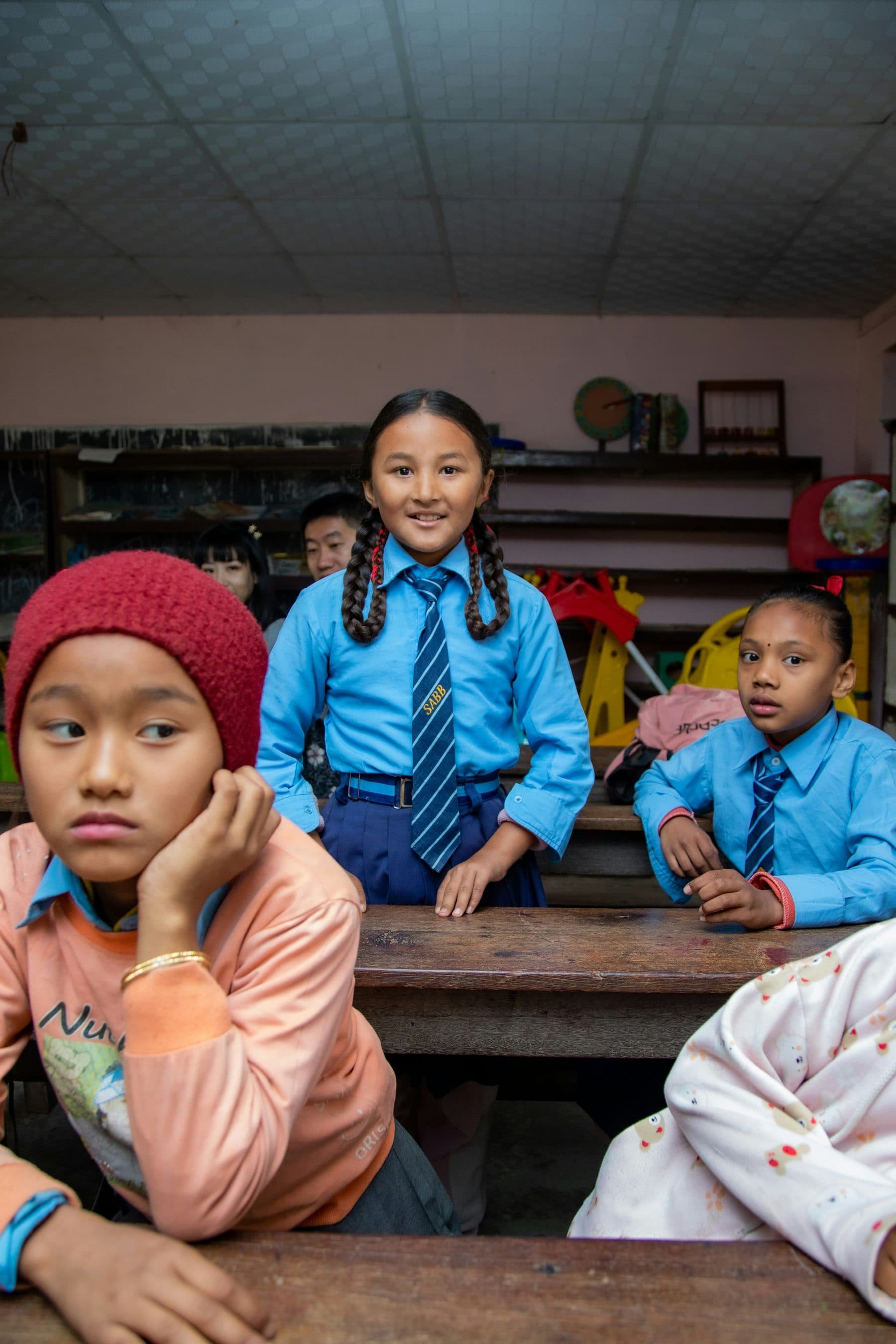
Stories + gathering
A shorter shared moment after long individual and small-group work.
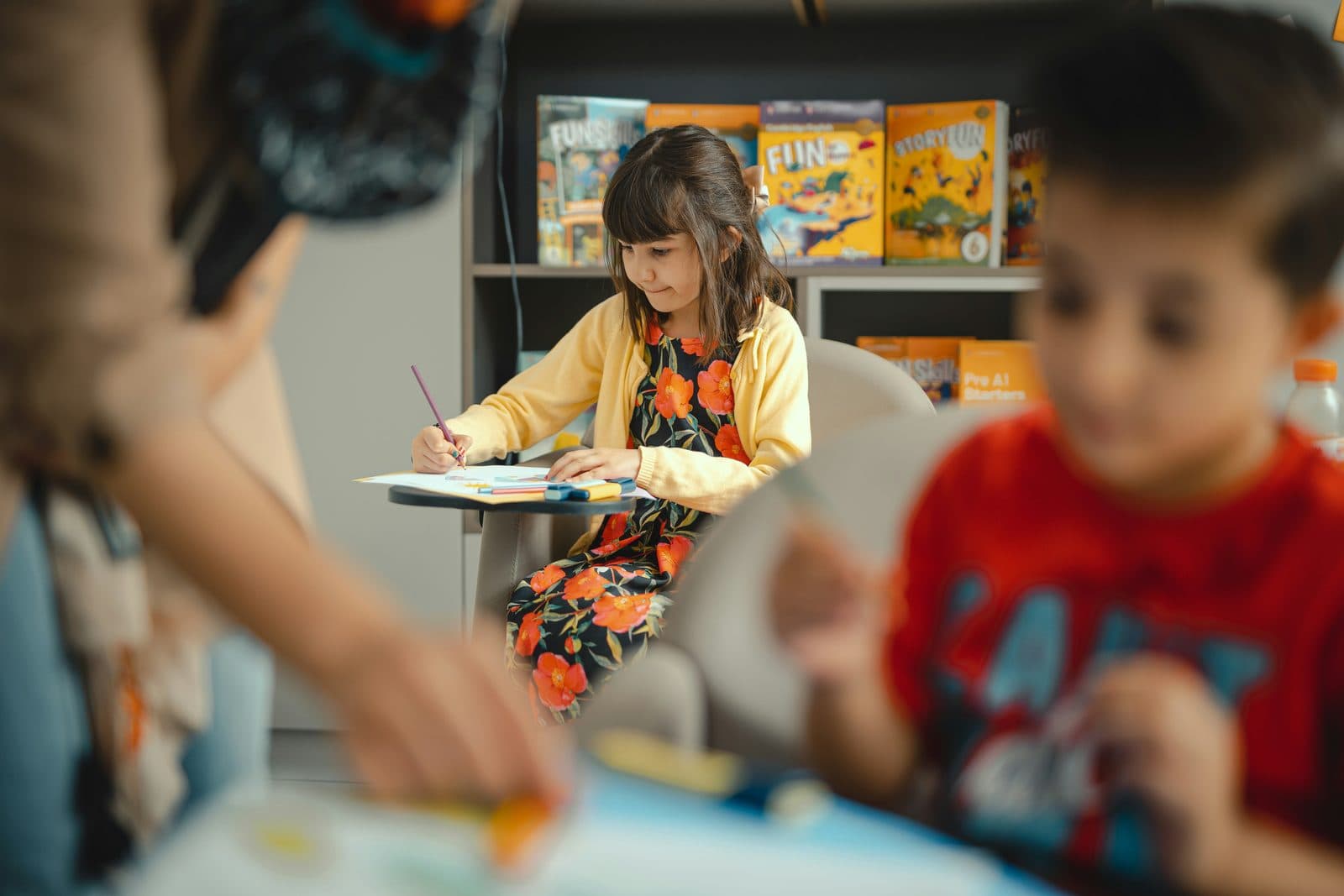
Lunch + quiet transition
Food, care routines, conversation and a softer landing into the afternoon.
Home time is information too
Families should hear what mattered, not receive a meaningless stream of scores.
If a child had a hard separation, found a new interest, needed unusual support or made a meaningful leap, the handover should make that visible.