Learning
Hands first. Words later. Understanding grows from both.
Children work with real materials, language, movement, stories, numbers, art and the everyday tasks of caring for themselves and their environment.
Learning constellation
Five ways into the same curious mind.
There is no single doorway into learning. Children move between language, movement, practical work, sensory exploration and making, often inside the same hour.

Pour, fasten, carry, care.
Everyday actions become opportunities for coordination, concentration and growing independence.
Ages change the questions
The room grows with the child instead of racing ahead of them.
Belonging + doing
Care routines, movement, language and repeated practical work build trust in the room and in the child’s own hands.
Connecting ideas
Longer concentration, richer language, classification, number relationships and increasingly complex social play begin to connect.
Growing responsibility
Children carry projects further, explain thinking more clearly and take a larger role in caring for work, space and community.
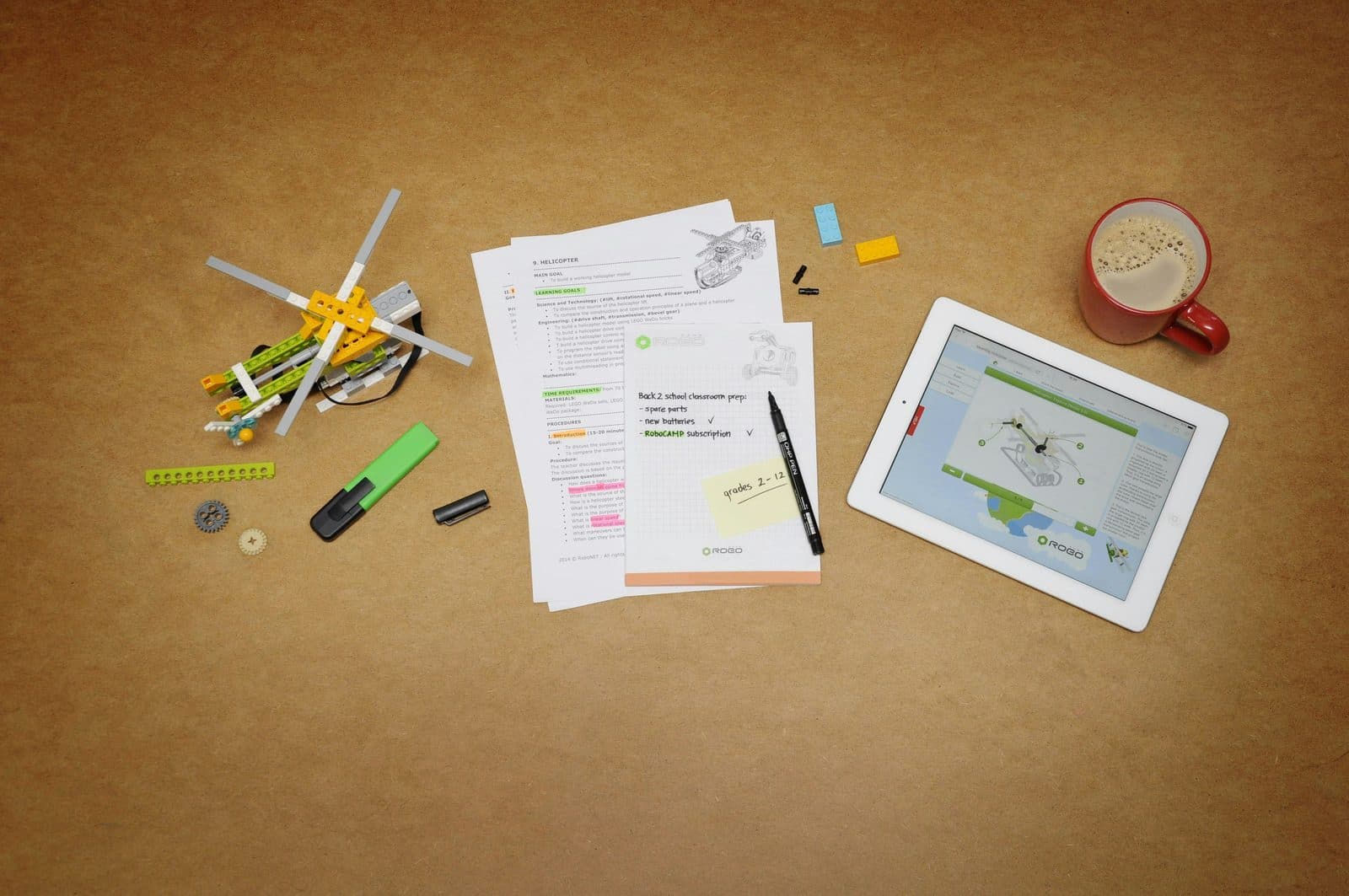
Materials + meaning
A shelf should tell a child what can happen next.
Children can begin without asking an adult to unlock the activity.
There is a visible beginning, sequence and place to return the work.
Whenever possible, children use objects that behave like the real world.
How adults decide what comes next
Observe. Present. Step back. Notice again.
Watch for readiness, interest and the exact point where a child is getting stuck.
Present new work simply, precisely and without turning the demonstration into a performance.
Leave enough uninterrupted time for repetition to become understanding.
Record useful observations and use them to shape the next environment, not to rank the child.
Read next