Parent guide
Questions deserve useful answers, not school-brochure language.
A practical guide for families considering Muna or preparing for the first few weeks.
Settling
What the first mornings can look like and why separation is not treated as a competition.
Food + clothing
Simple practical choices that help children participate in care routines independently.
Communication
What families hear weekly, what deserves a direct conversation and what we do not turn into notifications.
Transport
How limited routes are confirmed and why travel time matters to the child’s day too.
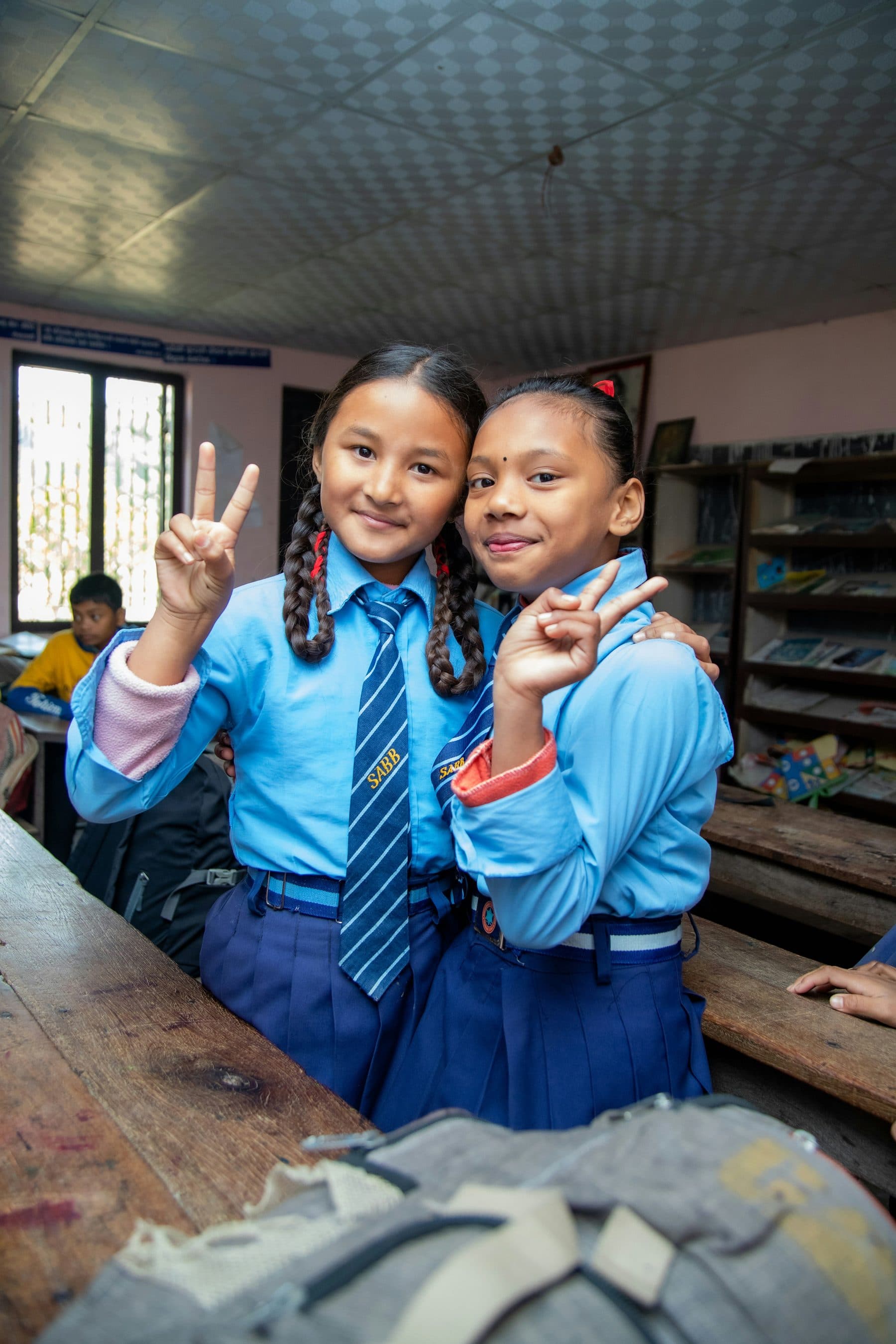
Settling in
Familiarity before independence.
A child can be curious about a room and still need help separating from a parent. We plan for both truths at once.
Short visit, familiar adult, clear language about what will happen.
Predictable handover, meaningful first activity, no sneaking away.
Specific feedback and an adjusted plan if the morning was too much.
Daily practicalities
Small choices can make independence easier.
Choose clothes children can manage with growing independence. Complicated fastenings are impressive only to adults.
Lunch and snacks should be familiar enough to eat calmly and packed in containers the child can learn to open.
Label what matters, keep the daily bag simple and avoid sending a miniature moving house.
A familiar object may be useful during settling when it supports transition rather than replacing participation.
Communication
Not every moment needs a notification.
Families receive concise weekly context, direct conversations when something genuinely matters and planned observations or conferences. The goal is understanding, not a constantly buzzing parent app.
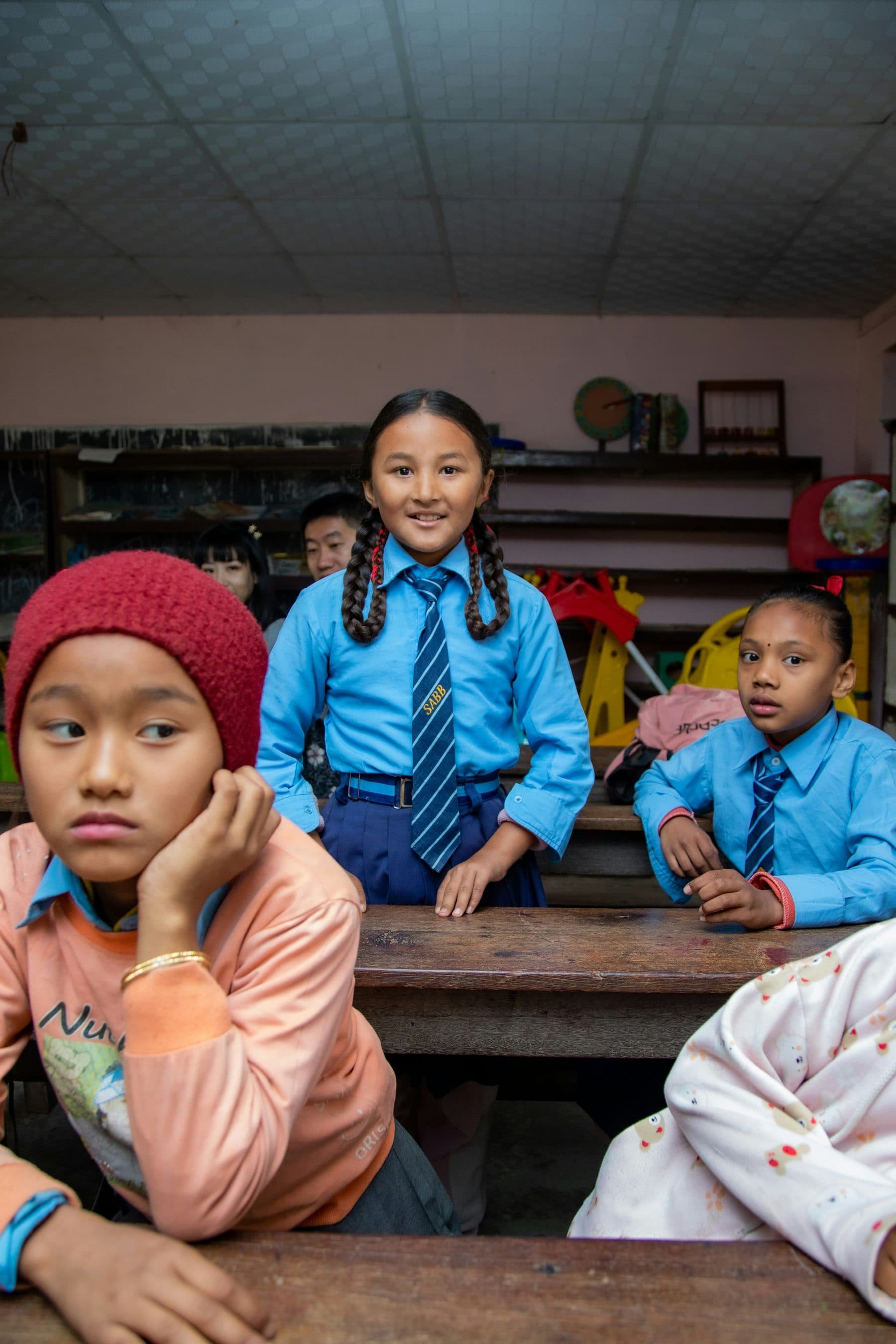
Questions parents actually ask
Open one. Nothing is hidden behind sales language.
We use short visits, familiar adults and gradual separation where needed. Families receive a clear settling plan rather than a one-size-fits-all first day.
Keep reading